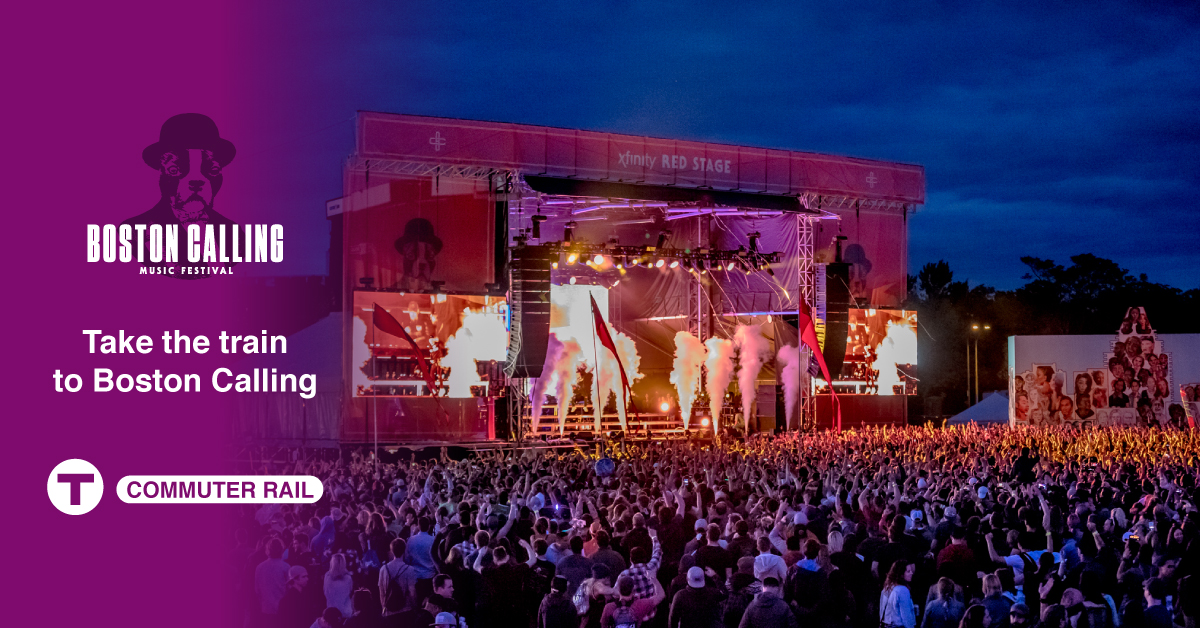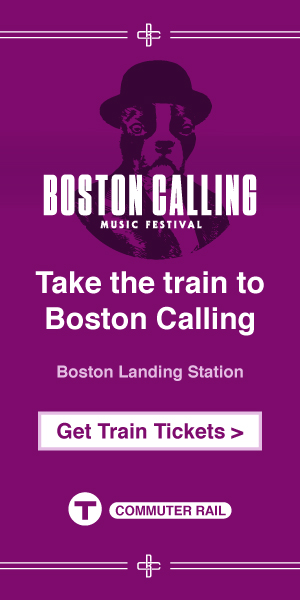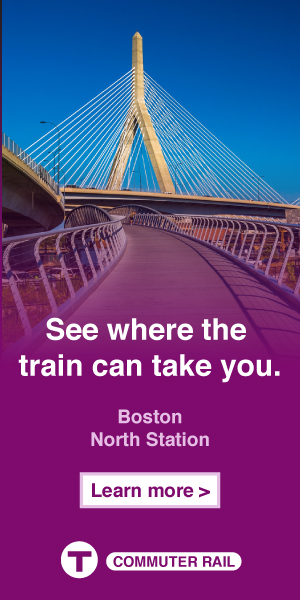
Nobody Takes Transit for Fun. How Do You Change That for One Summer?
The MBTA didn’t need more commuters — it already had those. It needed people who’d normally drive or Uber to a concert to take the T instead, just for a few months a year.
MBTA ridership skews toward the daily commute — a 9-to-5 utility, not a summer night out. Growing recreational ridership meant convincing people who already had other options (driving, rideshare) that the Commuter Rail was actually the smarter way to get out and about for the weekend.
We started out with the 5 questions we bring to every marketing problem:
1. What is the goal?
Grow recreational ridership specifically in the summer months, when people are commuting less but going out more.
2. Who is the right audience?
People already headed to places like Cape Cod, or to Boston’s biggest summer events — the ones with a car or a rideshare app as their default, not the Commuter Rail.
3. What do they care about?
Getting to the event itself, easily — not fighting for parking, not paying rideshare surge pricing, not the transit system as an end in itself.
4. Where do they spend their time?
Our broad audience of potential rail riders spend time on social media, Youtube and clicking around the internet.
5. How do we reach them there?
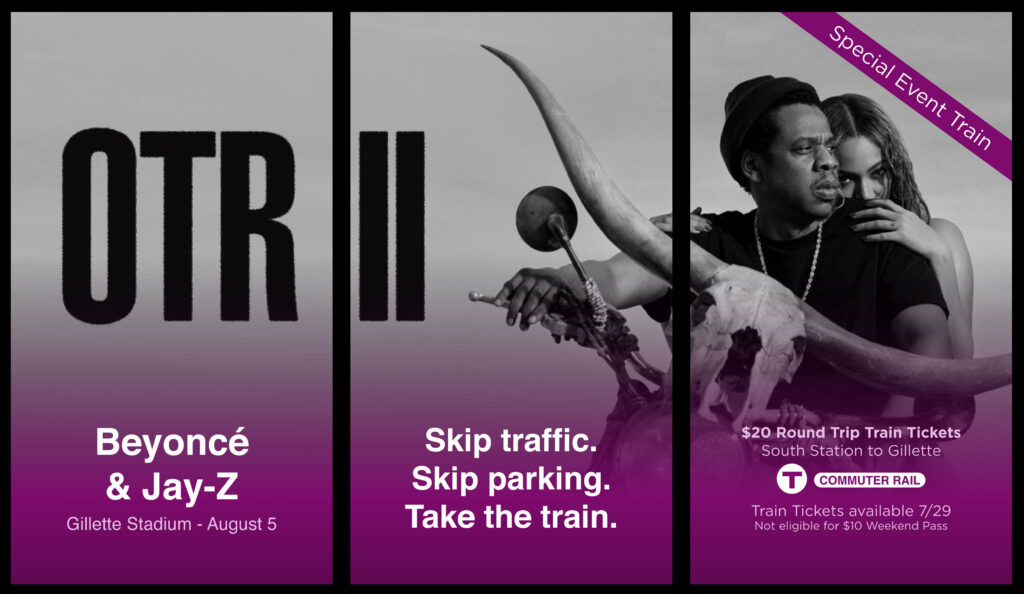
Meet people at the events they’d already committed to with digital ad campaigns built around those specific dates, backed by video that made the Commuter Rail itself look like part of the experience — then give them an actual place to plan the trip once they were interested.
We provided three pivotal components to pull this campaign off:
For this campaign we were specifically charged with capturing and creating compelling creative assets: the video, the drone footage, the website design, and the ad creative used across the campaign. The MBTA and its media team handled the ad buying and execution from there, so ridership numbers and ad performance aren’t mine to report.
The work itself was backed by major advertising budgets for the entire summer, running on television and online.
*Massbytrain.com has since been updated and redesigned by various other vendors over the years as Keolis rotated agencies after Jake moved away from Massachusetts.
The documentary became the emotional focal piece of one-on-one, face-to-face meetings with prospective donors — and in that setting, it did its job: it helped raise millions of dollars from private-sector donors for the Center’s next chapter, the same way the first ten years had been funded: without a cent of taxpayer money.